Throughout American History, many people have wondered what their ancestors did during the American Revolution. This curiosity has aroused common interest alike to young boys fighting out the Battle of Bunker Hill with cap guns or socially mobile ladies bent on joining the Daughters of the American Revolution. With mental images of the suffering soldiers at Valley Forge or George Washington leading his small but determined Army against all odds through campaign after campaign, it is easy to wonder just how one’s family fits into this great American drama. The Styers, as we have seen, as Mennonites, were conscientious objectors, and they paid dearly for the privilege, with cold hard cash. The Spares, Fairchilds, and as we shall see later, Bruglers, all participated in some way during the war. However, though a matrilineal line of the Fairchild family, we also can claim an ancestor who was a member of the other side… for a while… but the story of our Hessian soldier ancestor, Johann Lutze, will continue below.
The son of Leonard and Mary Tyson Styer, Cornelius, married a woman named Roseanna Fairchild. Rosanna Fairchild was a descendent of John Fairchild (1753-1824), a Connecticut settler of English origin. John and his wife, Mary (van Dyne) apparently of Holland Dutch extraction, had several children, one of whom was our ancestor, Solomon Fairchild Sr (1783-1854). Solomon and his wife Elizabeth Lutsey (1789-1871) farmed a large tract of land in Luzerne County, PA.[1] One might ask, what circumstances led Connecticut natives to settle in Northern Pennsylvania? It is time for a quick diversion into the history of Pennsylvania-Connecticut relations.

Founded in 1681, Pennsylvania was a relative newcomer among the other original colonies. Connecticut, one of the more senior colonies, had a clause in its royal charter which later generations of Connecticuters interpreted as meaning that its northern and southern borders extended westward indefinitely! The result of this clause coupled with a fervent desire to make money on the part of Connecticut land agents calling themselves the Susquehanna Company was a long, interesting, and bloody conflict between that state and Pennsylvania. It is called the Yankee-Pennamite War and it was not resolved until the late eighteenth century. The Yankees seemed to come out on top, seizing the Wyoming Valley (Scranton/Wilkes-Barre) until during the Revolution they were chased out by Loyalists and Native warriors in the events that led up to the Great Runaway.

After the Revolution, the old border dispute cropped up again and the Wyoming Valley was once again occupied by factions from each state, the Fairchilds appearing as settlers from Connecticut. In a brilliant and often overlooked political move by Benjamin Franklin, a compromise was affected where Connecticut settlers got to stay within PA’s borders with acreage of their own, but had to leave their holdings in the Valley.[2] The new area to which they moved would be called Luzerne County. Many Fairchild relatives went on to inhabit the area between Bloomsburg and Nanticoke including our ancestors Solomon and Elizabeth. Nestled just south of the village of Alden, PA lies a body of water known as Fairchild Pond. One of our cousins operated an ice business there. Uncle Fred Styer told me he met several Fairchilds in the Berwick area who knew they were kin to the Styers.
A quick word on Solomon Fairchild’s wife, grandmother Elizabeth Lutsey- her father’s name was Johann Lutze. He was from Germany. He probably came to America dressed like this:

Oh, yes! We have a Hessian ancestor. Hessian is a broad term used for the German mercenaries the British employed during the War of Independence. Not all of these mercenaries were from Hesse. In fact, Lutze was probably either a member of the Ansbach-Beyreuth (pronounced Bay-roit) or Hesse-Hanau regiment. If your heart sinks to know that one of our ancestors was indeed one of the hated Hessians, it is important for you to know that our ancestor either was captured or deserted less than a year after being brought to this country. And yes- I mean brought. I’ll do a “Wunnerfitz” article on this subject. Life as a Hessian soldier was not fun, even by contemporary military standards, a fact which encouraged thousands of them to desert and melt into the native PA German population. Our grandad Johann Lutze or John Lutsey, as he came to be known, lost no time in leaving the service of his prince, taking the loyalty oath to the United States, marrying an American girl, and moving to Luzerne County to run a farm.
Solomon and Elizabeth (Lutsey) had a large family. One daughter, Anna Fairchild, was the first husband of uncle Henry Styer, brother of our grandfather Cornelius, who in turn, married Anna’s sister, Rosanna. Rosanna Fairchild is the oldest Styer ancestor for whom we have a photograph (up to this point in time- there could be more).

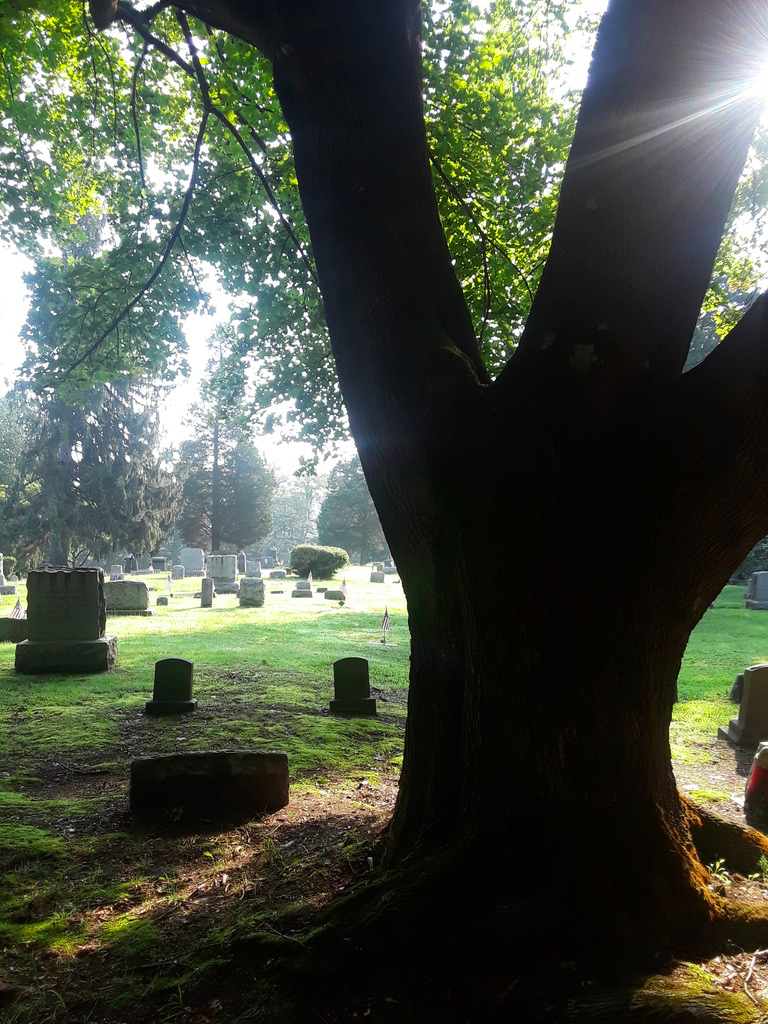
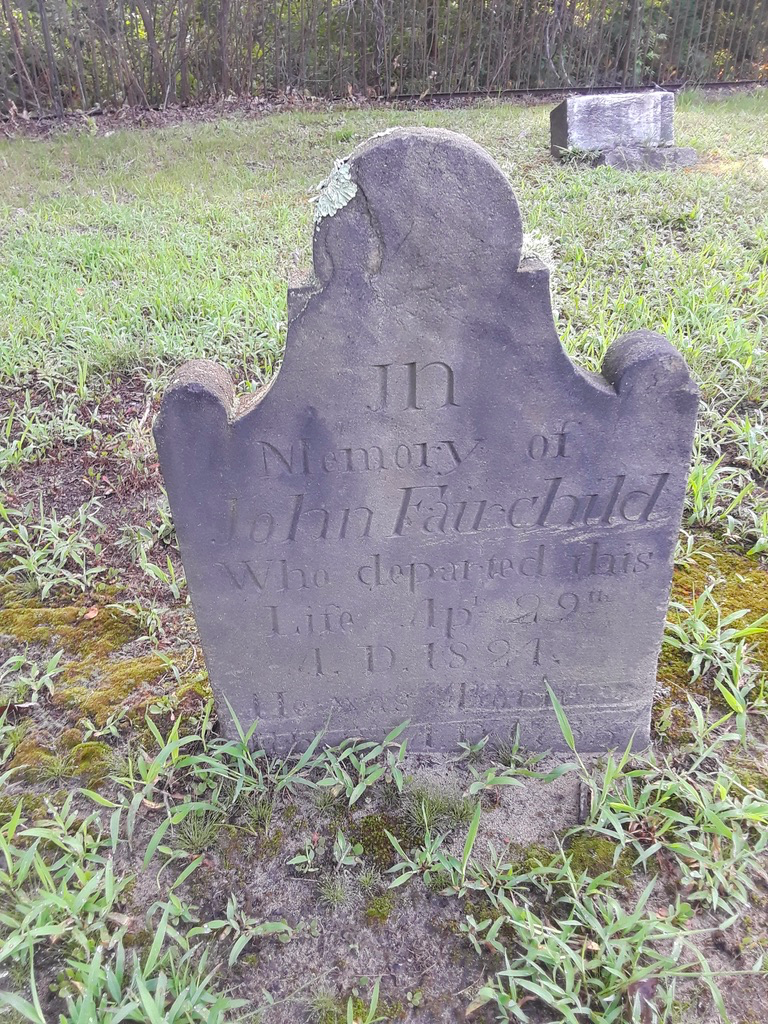
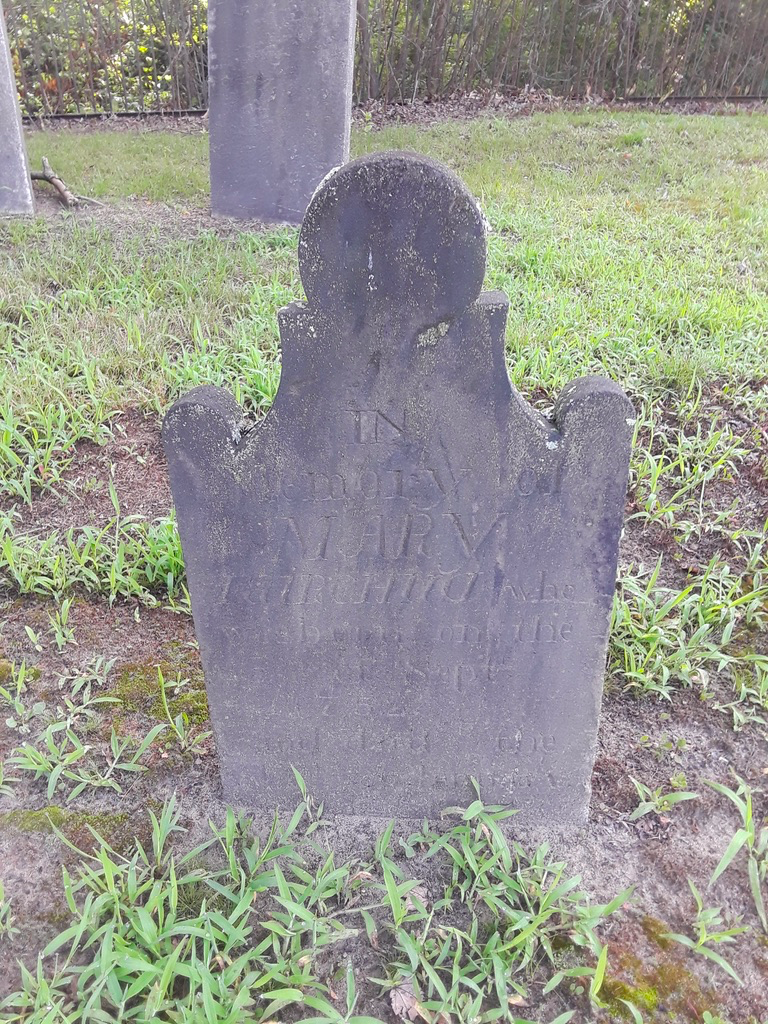
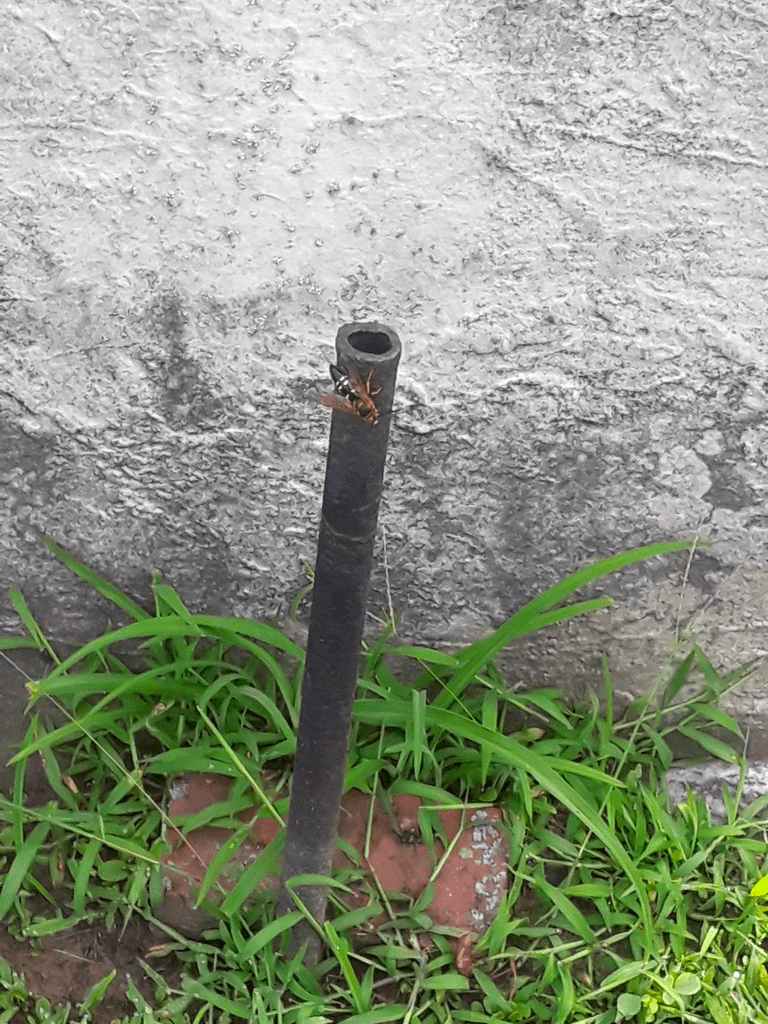
The Fairchilds were Presbyterians, and I suspect they were either from the North of England or the Lowlands of Scotland. Their immigration time fits with other Scots-Irish families, who made up the last major immigration to the colonies before the American Revolution. The oldest Fairchilds including John and Mary (van Dyne) Fairchild, Johann and Elizabeth Lutsey, Solomon Sr. and Elizabeth Fairchild, are all buried in a lonely but peaceful and well-maintained graveyard at the very south-westerly tip of the Wyoming Valley- an area which was once known as Newport Center. The village of Newport Center was demolished during strip mining operations and the cemetery lies within a stone’s throw of a big lake, stained orange from mine drainage. Although it is hard to find, it is worth a trip, due to the treasure trove of our Fairchild ancestors interred therein. However, if the time of year is right, bee prepared for the Cicada Killer wasps- They infest the place.
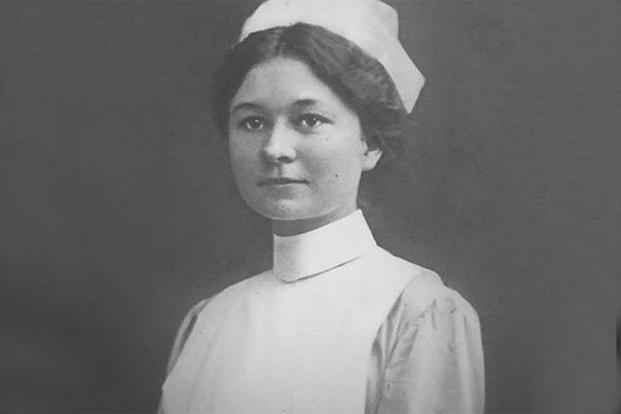
The final, but perhaps most lasting Fairchild legacy which I have discovered goes back to Rosanna’s brother, Solomon Fairchild Jr. His son, Ambrose, had a daughter named Helen. Helen, a native of Northumberland County, was an army nurse. She met her death due to an illness contracted while caring for wounded soldiers during World War One. Although she was buried in Europe in one of those great Arlington-like cemeteries which dot the former Western Front, her name is known to all Central Pennsylvanians who have driven across the Susquehanna between Watsontown and White Deer, PA on the Nurse Helen Fairchild Memorial Bridge, where her heroism and devotion to duty is commemorated.
[1] Pink Book, page 12.
[2] Carla J. Mulford, ““Prevent[ing] … Restless Spirits from Exciting Disturbances”: Benjamin Franklin and the Wyoming Valley,” Pennsylvania History: A Journal of Mid-Atlantic Studies
Vol. 86, No. 1 (Winter 2019), pp. 1-37
 Styer Stories
You are doing a wonderful job with our family history, Mark. Thank you,so much, keep up the good work,we are enjoying it.
LikeLike