Today I will be answering a question posed by a reader. Questions or extra items come up, I will entitle blogs like these “Der Wunnerfitz” or the curious one in Pennsylvania Dutch.
“A rose by any other name would smell as sweet” -Shakespeare
So what’s up with the Steiger-Styer thing? In a Facebook comment the other day, a fellow member of the Ralph Styer branch of the family, Jean (Styer) Goley, asked me if I could explain why our immigrant ancestors’ name was changed from Steiger to Styer.

Many of us have heard stories about immigrants getting their names changed at Ellis Island because the immigration officials recording their entry could not spell the complicated Eastern or Southern European names. This is undoubtedly true for people who came to the United States in the late 1800s and early 1900s. However, this situation does not necessarily apply to families like the Styers who came long before the use of Ellis Island as a receiving facility for new arrivals to our country (which was in 1892).
The bottom line is that in pre-modern times, especially before modern record-keeping and government bureaucracy, folks didn’t really seem concerned how their name or anyone else’s was spelled. As long as it could be pronounced the same way, it was usually fine. It is not hard to find eighteenth and early nineteenth-century legal documents like wills or property deeds that have the name of the same person spelled several different ways on the same page.
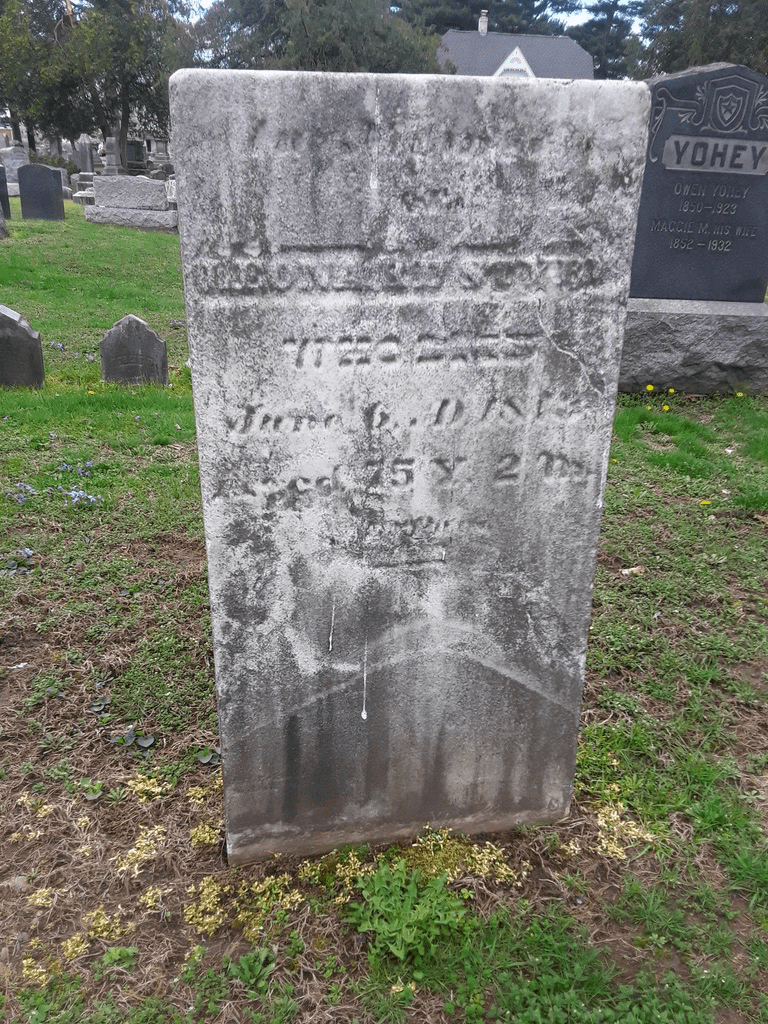
This all explains situations like Leonard Spare’s. He phonetically spelled his name Spär or Spehr on several documents, but where did the “G” go in Steiger? A whole consonant is missing! However, early documents show spellings like Steier and Steyer as alternates to Steiger or Steger, so there must be a phonetic component to this. The reason behind the flexible G situation is because in Pennsylvania German (Pennsylfaanisch Deitsch), a dialect of southern (or High) German, the letter “G” in the middle of a word is very soft and is spoken more like a y; almost like the Spanish “ll” in quesadilla.
If anyone digs deep enough into their geneology, they will find that their ancestors were pretty flexible in the spelling of their surname. In my Shifflet family line alone, I have seen the name spelled Shiflet, Shifflett, Shifflette, Schifflet, Shiflett, Shiplett, and more. Our Tyson ancestors originally spelled their surname “Theissen.” On the Fairchild side, we have Lutsey ancestors who first spelled their name, Lutze (pronounced Lootsah).
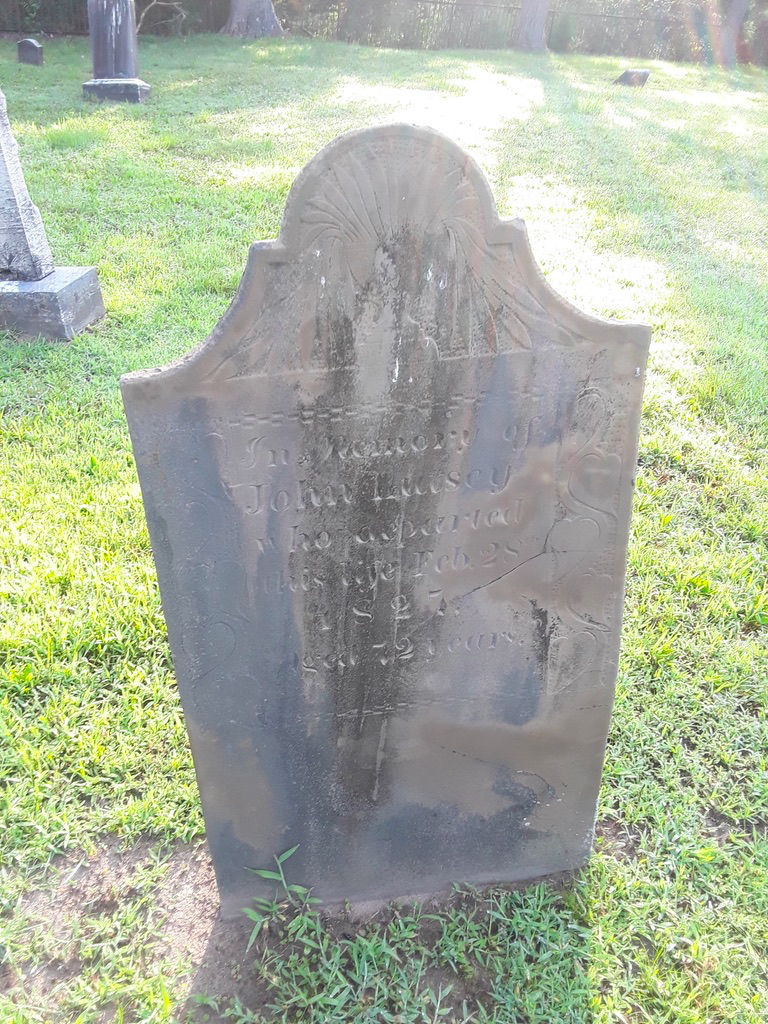
Although phonetic and cultural reasons for differing name spellings existed, there were also social and grammatical reasons as well. Some Pennsylvania Germans (and other nationalities) changed their name to look or sound more English, especially if they were trying to climb the social ladder. Many Schmidts, Brauns, Müllers, and Kochs became Smiths, Browns, Millers, and Cooks. Indeed, there were many Gingerichs who became Gingerys because the German pronunciation of “ch” was too complicated. As mentioned before, it has been said that our ancestor Leonard Styer was the first to use the current spelling of our name. As a businessman (he owned taverns), so he may have adopted the current spelling for social reasons. It’s hard to know the exact motivation behind the decision.
The other reason for the variety of name spellings among the Pennsylvania Dutch is that there was widespread debate on how to write the language. Should PD writers use German spelling, grammar, and mechanics (like umlauts and eszetts) or should they use English spelling, grammar, and mechanics? To make this all even more confusing, in 1834, the State of Pennsylvania enacted a compulsory English-only education policy in public schools, preventing Pennsylvania German students from learning the rudiments and grammar of their mother tongue in public schools. These conditions led to a situation where Pennsylvania German spelling was a merely subjective affair.
The specific reasons for the eventual choice of the current “Styer” spelling are lost in the mists of time, but hopefully the above information explains possible reasons for its change. All of this demonstrates that when studying genealogy, it is wise never to grow too fond of a particular spelling of one’s name!
 Styer Stories